The Audit Process
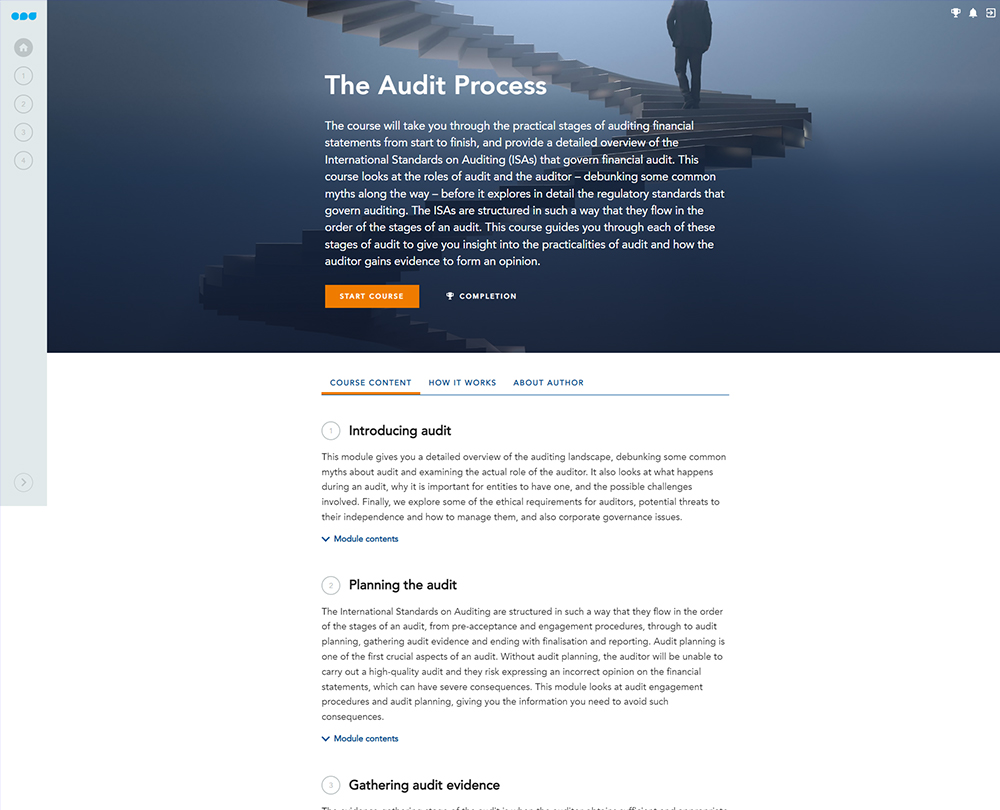
To bridge the expectation gap in audit, this course looks at the roles of audit and the auditor, and explores, in detail, the audit process and the regulatory standards that govern auditing.
£100 +VAT

The Audit Process
£100 +VAT
This course will enable you to
- Gain a detailed overview of the auditing landscape, and examine the role of the auditor
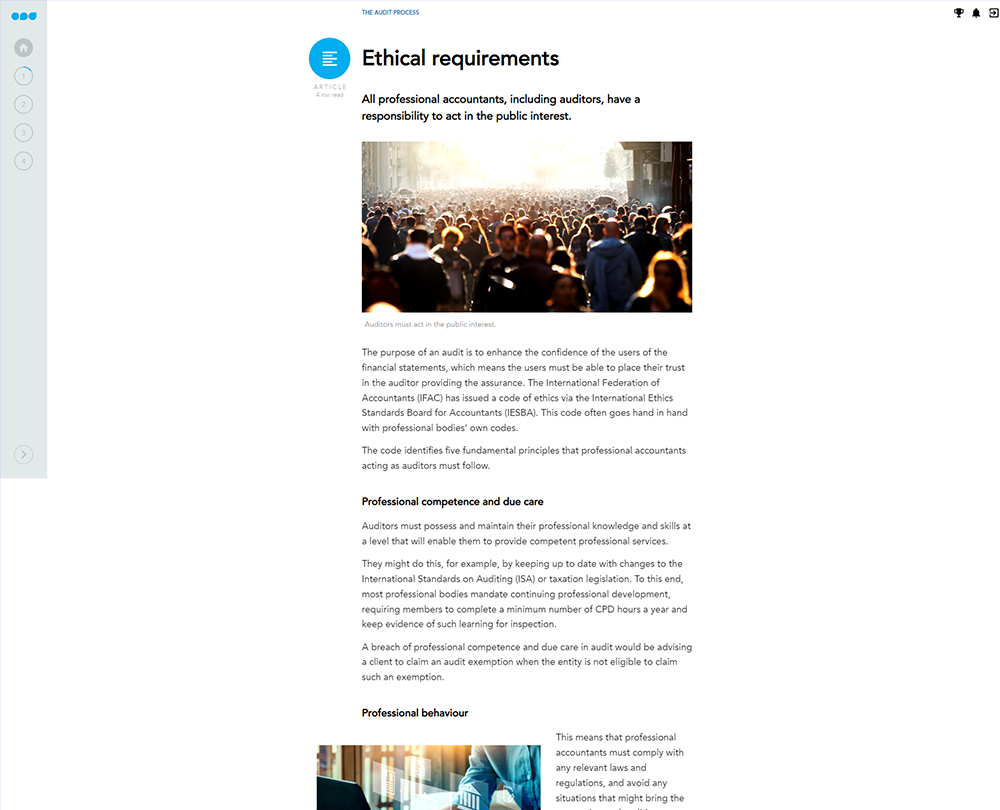
- Explore some of the ethical requirements for auditors, potential threats to their independence, and how to manage them
- Understand audit engagement procedures and audit planning
- Examine the procedures for gathering audit evidence
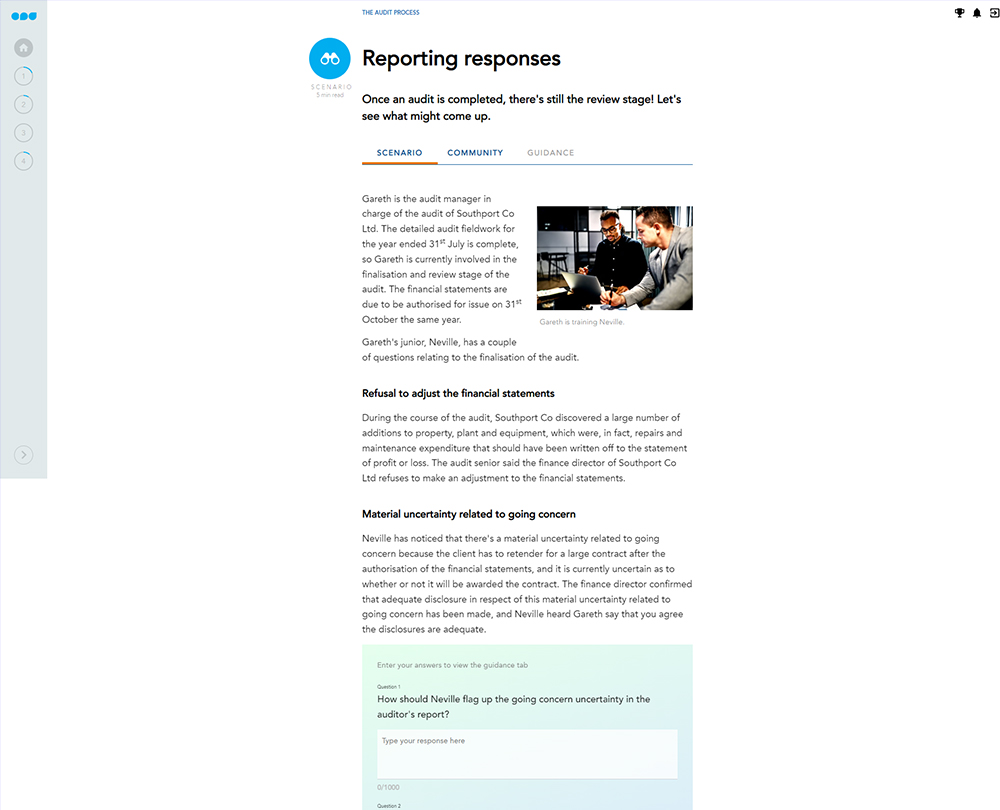
- Gain an overview of the finalisation and completion stage of the audit
About the course
News stories about corporate collapses and scandals over the last few years have led many to question the function of the audit process. With a rising expectation gap, it’s important to clarify the role of the auditor.
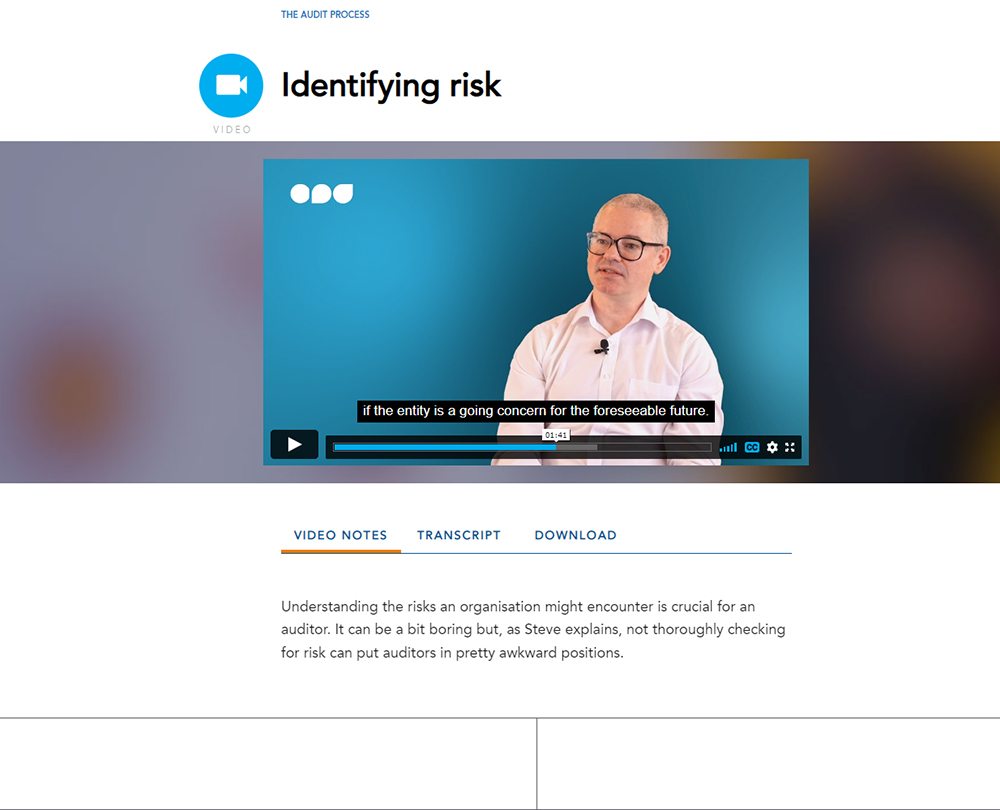
Steve Collings provides a calm, rational voice, arguing that by following the audit process – from planning the audit, to gathering evidence, to finalising the audit – we can raise the quality of work and avoid the mistakes that bring the profession into disrepute.
This course guides you through each of these stages of audit to give you insight into the practicalities of audit, and how the auditor gains evidence to form an opinion and provides a detailed overview of the International Standards on Auditing (ISA).
Contents
Introducing audit
What is auditing?
The auditor’s job
The expectation gap
The importance of audit
Advantages and disadvantages
ISA ISA baby
Ethical requirements
Threats to auditor independence
Corporate governance issues
Planning the audit
Preparation
Accepting a new engagement
The outgoing auditors
A letter of engagement
Misstatements
Materiality
Identifying risk
Understanding the entity
Internal control systems
Audit risk
Gathering audit evidence
The gathering
Obtaining audit evidence
Intangible assets
Auditing intangible assets
Related parties
Track and trace
Auditing related parties
Financial instruments
Revenue
Auditing tax
Finalising the audit
Tying it all up
Going concern
Going concern assessments
Auditing going concern
Reporting on going concern
Going back for more audit
Auditing subsequent events
Forming an audit opinion
The emphasis of matter paragraph
How it works
Author

Steve Collings
Steve is Director at Leavitt Walmsley Associates, a firm of Certified Chartered Accountants. He is an internationally recognised speaker, writer and commentator on all matters to do with financial reporting and auditing. Steve is a prolific author, having written over 25 books and currently represents the North West of England on ACCA”s Practice Network Panel.
You might also like
Take a look at some of our bestselling courses